Posts

A Brief Introduction Intro in Israel - Palestine Conflict
Image
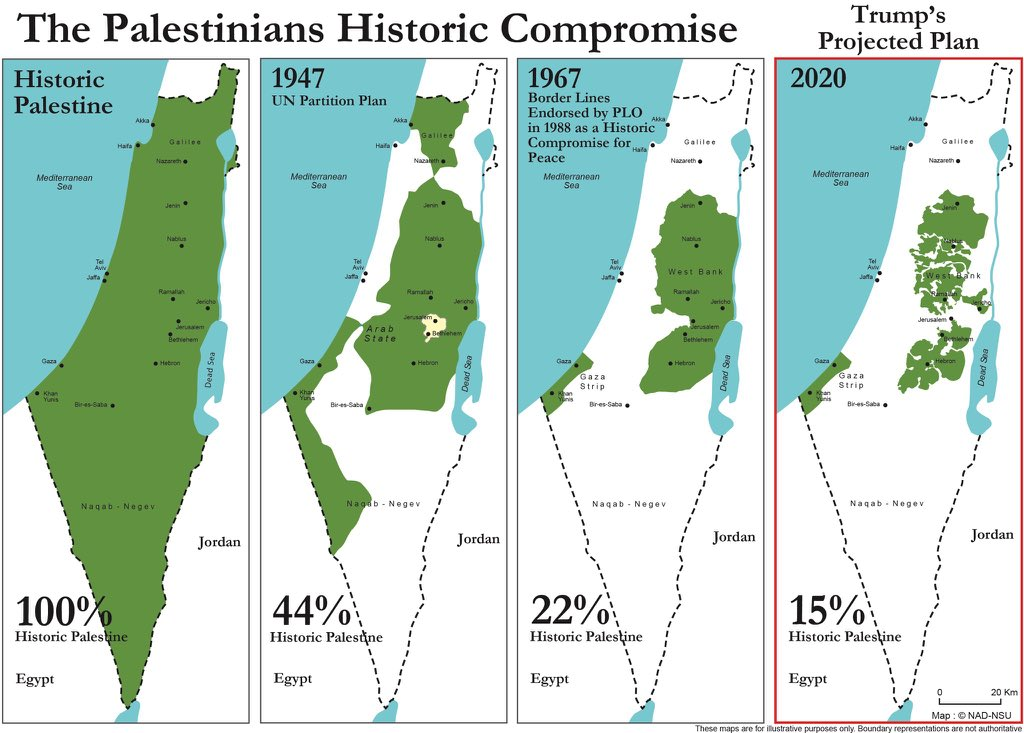
A Brief Introduction Intro to  Israel - Palestine Conflict  Introduction Let's talk about everything you need to know about Israel - Palestine Issue. It's more complicated than you think. It is safe to say that you can bet your life that all political border issues have something to do with our dear colonial overlord, the United Kingdom. If you have any doubts regarding this then you can speak with any Indian, he will have an interesting story for you.  For today, let's focus on Jerusalem and not on New Delhi. The birth of conflict WW1  was fought between Germany, Australia, Hungary, and Turkey in the central powers.  France, Great Britain, Russia, Italy, Japan, USA joined the WWI as a chief guest in 1917.  It's very rare when you see countries taking loans to fight a war. Great Britain was forced to take huge loans from the American Banks. To please American Jews and the Jews in Great Britain. British promised a settlement of a Jewish National home in the ...

Economic Interest 02 :- Agricultural reforms

Image
History of Agricultural law  Essential commodity act, 1955  Essential Commodity Act, 1955  is an old law inherited by British India like many other laws. There are many good and bad laws which are inherited by British India. This is one of the bad ones. This law was passed during World War 2. So Britishers could regulate and control how much, and which commodity will be stored by a grocer in India. Which helped Great Britain to ensure food supply to Europe when many parts of India were facing famines {especially Great Britain}. In 1955 ,   Indian farmers were trapped in a debt trap. Moneylenders and Zamindars used to give loans. Since majority of farmers couldn’t pay back loans, they were supposed to take new loans. To avoid this exploitation, The Government of India introduced APMC. Thus, it was mandatory for the farmers to sell their products at a Mandi. Traders were issued licences and could buy produce only from Mandi. Thus, a centralised system was created ...

Economic Interest 01:- Nationalization of Banks 1969 "अशोभनीय, अनुचित, अकारण,आवश्यक"

Image
Nationalization of Banks is one of the most significant reforms done under the Iron Lady of India, Indira Gandhi. Most people consider the nationalization of banks a failure that had no economic and social justification but was fed by the political motive of Mrs Gandhi. Let us understand nationalization with the help of a story. A bank that had a faulty Xerox machine to print its money replaced its Xerox machine with a shredding machine. Unfortunately due to incorrigible Indian administration, a bad idea once implemented is highly durable. No government including the current Modi government has not dared to reverse the decision.   History:- Events leading to nationalization of banks A) Economic Reason  1) In 1955, The Imperial Bank Of India was renamed as State Bank Of India. In 1951, there were more than 400 commercial banks who worked under the private sector. More than 360 banks failed between 1947 - 1955 at the rate of 40 banks per year. This damaged people'...